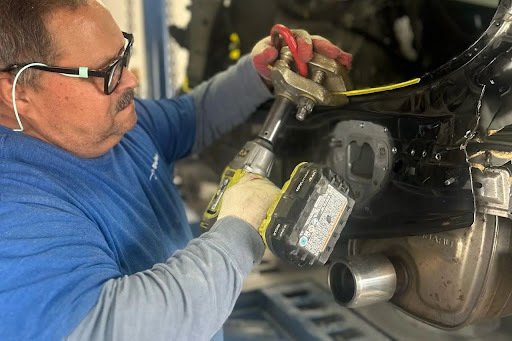

Your classic car is more than just a vehicle. It is a piece of history, a labor of love, and for many owners, a significant financial investment. But no matter how well you maintain the paint, the interior, or the engine, none of it matters if the frame underneath is compromised. The frame is the backbone of your vehicle. It holds everything together, supports the weight of the body, keeps the suspension aligned, and protects you in the event of a collision. When it is damaged, bent, or eaten away by rust, the entire vehicle becomes unsafe and loses value fast. At SK Auto Body, we work with classic car owners in Salem, NH who want their vehicles repaired properly and preserved for the long haul. This guide breaks down everything you need to know about classic car frame repair so you can make the right decision for your vehicle.
What Is Frame Work and Why Does It Matter for Classic Cars?
Frame work refers to the inspection, repair, realignment, and restoration of a vehicle’s structural frame. On most classic cars built before the 1980s, this means a body-on-frame design where the car’s body sits on top of a separate steel chassis. This is different from modern unibody vehicles where the structure is built into the body panels.
Because classic car frames are standalone structural components, they carry enormous responsibility. They support the suspension geometry, the drivetrain, and all the body panels on top. When a frame is bent, cracked, or weakened by corrosion, it throws off alignment, creates uneven tire wear, and makes the vehicle unsafe to drive, regardless of how good the rest of the car looks.
Classic car frame repair is not just a cosmetic concern. It is a structural and safety issue that directly affects how your vehicle drives, handles, and holds its value over time.
Common Causes of Classic Car Frame Damage in Salem, NH
Salem, NH and the surrounding North Shore area present specific challenges for classic car owners. New England winters, road salt, and coastal humidity are a tough combination for any vehicle, and older cars with classic steel frames are especially vulnerable.
Here are the most common causes of frame damage:
Rust and corrosion — This is the number one enemy of classic car frames in Massachusetts. Road salt used during winter months accelerates corrosion on the undercarriage. Over time, rust eats through the steel, weakening the frame from the inside out. Even if the surface looks intact, there can be serious hidden damage below.
Prior collision damage — Many classic cars have had at least one accident in their lifetime. If the frame was not properly repaired after that collision, there may be residual bending, misalignment, or weak points that create problems later.
Improper storage or towing — Classic cars stored outdoors without proper protection or towed from incorrect points can develop frame stress and warping that is not immediately visible.
Normal age and wear — Metal fatigue, weakened welds, and material degradation are natural over decades. A frame that was solid in 1965 may need professional attention by 2026.
Warning Signs Your Classic Car’s Frame Needs Professional Attention
Catching frame problems early saves money and prevents further damage. Here are the warning signs every classic car owner in Salem should watch for:
Uneven panel gaps or misaligned doors — If your doors, hood, or trunk do not open and close smoothly or gaps between panels look uneven, the frame may have shifted.
The car pulls to one side while driving — This is a key indicator of chassis misalignment. If you notice consistent pulling even after a fresh wheel alignment, the problem likely sits deeper in the frame.
Visible rust under the vehicle — Check the undercarriage, wheel wells, and frame rails for flaking metal, deep pitting, or soft spots. Any visible rust in structural areas needs immediate attention.
Rattling noises from underneath — Unusual sounds when driving over bumps or rough roads can signal frame damage or loose structural components.
Uneven tire wear — When the frame is out of alignment, tires wear unevenly and quickly. If you are replacing tires more often than you should, frame alignment may be the root cause.
What the Frame Repair Process Looks Like at a Professional Shop
Not all body shops are equipped to handle classic car frames. This type of work requires specialized tools, knowledge of vintage vehicle construction, and the patience to do the job right without causing additional damage.
At a qualified shop, the classic car frame repair process typically follows these steps:
1. Full structural inspection — Technicians inspect the entire frame, looking for rust, cracks, bent sections, and weld failures. This often involves putting the vehicle on a lift and using measuring tools to check alignment against factory specifications.
2. Documentation and damage assessment — Every issue is documented before work begins, so you know exactly what is being repaired and why.
3. Frame straightening — For bent or misaligned frames, specialized straightening equipment is used to bring the frame back to OEM specifications. This is not a guessing game. It involves precise measurements and alignment checks at every stage.
4. Rust treatment and section repair — Corroded sections are cut out and replaced with properly matched metal, then treated to prevent further rust from spreading.
5. Weld inspection and reinforcement — Weak or cracked welds are identified and redone to restore the frame’s original strength.
6. Final alignment check — Once repairs are complete, the frame is re-measured to confirm it meets factory tolerances before the body is set back down.
SK Auto Body has over 25 years of experience performing precision frame repairs, and our technicians use advanced technology to ensure every repair meets OEM standards. That same commitment to quality extends to classic and vintage vehicles brought in by Salem-area owners.
How Frame Repair Protects Your Classic Car’s Value
A classic car’s value depends heavily on its structural condition. A vehicle with a clean, sound frame is worth significantly more than one with documented frame damage, even if the exterior looks identical. For collectors and enthusiasts, frame integrity is one of the first things a knowledgeable buyer checks.
Getting frame work done by a reputable shop is one of the smartest investments you can make in preserving your classic car’s resale and collector value.
Beyond monetary value, a properly repaired frame keeps your vehicle safe. The frame is designed to absorb and distribute crash energy in the event of a collision. If it is already compromised by rust or prior damage, it cannot perform that job, putting you and your passengers at greater risk.
The National Highway Traffic Safety Administration (NHTSA) emphasizes that structural integrity is a fundamental element of vehicle roadworthiness and crash protection, an important reminder that frame health is not optional.
FAQs
Can a rusted classic car frame be repaired, or does it need to be replaced?
It depends on the extent of the corrosion. Surface rust and localized damage can often be cut out and repaired with new steel sections, properly welded and treated. Severe structural rust that affects large portions of the frame may require a full frame replacement. A professional inspection is the only way to know for sure. The sooner you catch it, the more options you have.
Will frame repair affect my classic car’s authenticity or collector status?
Professional frame repair using proper materials and methods does not compromise authenticity when done correctly. In fact, neglecting frame damage does far more harm to a car’s collector status and safety than addressing it properly. Documented repairs by a reputable shop are generally viewed positively by buyers and appraisers.
How long does classic car frame repair take?
Timeframes vary based on the extent of the damage. Minor straightening and alignment corrections can take a few days. More extensive work involving rust removal, section replacement, and full realignment can take one to several weeks. A reliable shop will give you a clear timeline before work begins.
How do I know if a shop is qualified to work on my classic car’s frame?
Look for shops with documented experience in frame repair and structural work, verifiable certifications such as I-CAR training, and the equipment to perform precision frame straightening. Ask to see past work and do not hesitate to ask how the shop handles classic vehicles specifically.
Get Expert Classic Car Frame Repair in Salem, NH
Your classic car deserves more than a quick fix. The frame is the foundation of everything else, and cutting corners on structural repairs creates problems that compound over time. Whether you are dealing with rust damage from years of New England winters, a past collision that was never properly addressed, or simply want a professional assessment before putting more money into a restoration, SK Auto Body is here to help.
With over 40 years of serving drivers across Salem, NH and the North Shore, our team has the experience, equipment, and commitment to quality that classic car owners can trust. Contact SK Auto Body today to schedule your free estimate and keep your classic car structurally sound, safe, and road-ready for years to come.