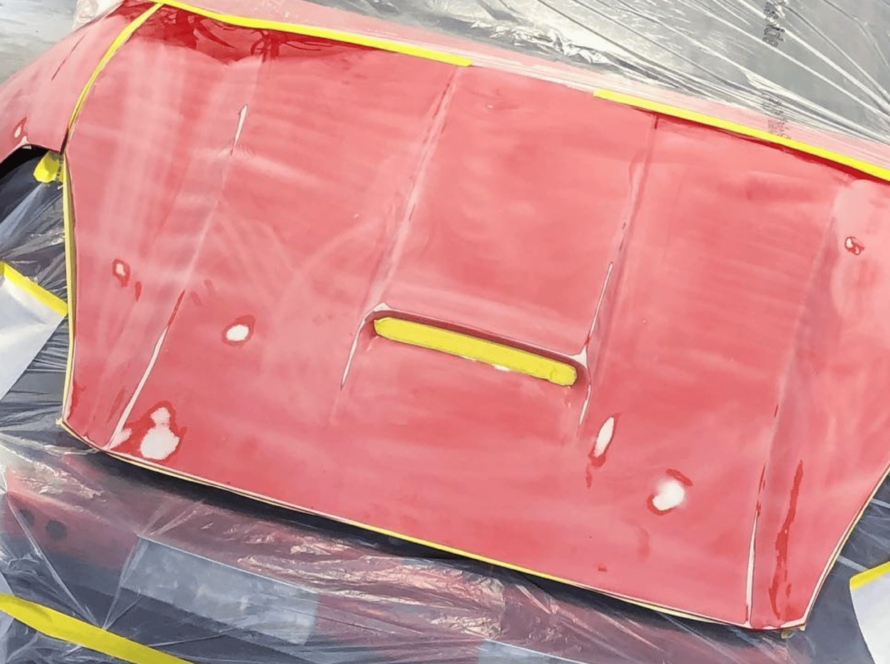

After hitting a deer in Massachusetts, stop in a safe spot, turn on your hazard lights, and check for injuries. Do not touch the animal. Call 911 if anyone is hurt or the road is blocked, then report the collision to the Massachusetts Environmental Police. Photograph the damage and call your insurer before repairs begin.
A deer crosses the road at dusk, and you have about a second to react. Then you are stopped on the shoulder of a Merrimack Valley road with a crumpled hood, a racing pulse, and a list of questions. Who do you call? Will insurance pay? How bad is the damage?
Deer collisions peak in the fall. MassWildlife notes that this is breeding season for deer and moose, and MassDOT data in its driver alert shows that 48% of reported collisions from 2018 to 2022 happened between October and December. That makes right now the riskiest stretch of the year on Merrimack Valley roads.
This guide explains what to do after hitting a deer, how the insurance claim works, and what drives the repair bill. SK Auto Body is an auto body shop in Methuen, MA that has repaired collision damage since 1982, and we see deer damage every fall. Read the steps in order if you just had a collision. If you are planning ahead, save this page for later.
Quick Facts: Deer Collisions in Massachusetts
- Peak season: October through December, with November the busiest month in MassDOT data cited by MassWildlife.
- Reporting: Call 911 if anyone is hurt or the road is blocked. Report the collision to the Massachusetts Environmental Police at 1-800-632-8075.
- Do not swerve: MassWildlife says swerving can cause more risk and damage than hitting the deer.
- Salvage: Massachusetts residents involved in the collision may salvage the deer by bringing it to a MassWildlife office to be tagged.
- Coverage: Comprehensive coverage typically pays for animal collision damage, minus your deductible.
- Hidden damage: A hit that looks cosmetic can involve frame damage behind the bumper.
What Should You Do Right After Hitting a Deer?
Stop in a safe place, turn on your hazard lights, and check everyone for injuries. Call 911 if anyone is hurt or if the deer or car parts block the road. Stay away from the deer.
These steps cover the first few minutes:
- Brake firmly and stay in your lane. Do not swerve. A swerve can send you into oncoming traffic or a tree.
- Pull over safely. Turn on your hazard lights. If you must leave the car, stay off the road.
- Check for injuries. Call 911 for any injury.
- Keep your distance from the deer. A frightened, wounded deer can hurt you with its legs and hooves.
- Take photos. Photograph the car, the road, the surroundings, and any fur or blood on the vehicle.
- Decide whether the car is safe to drive. Leaking fluid, broken lights, a hood that will not latch, or warning lights all mean you should call for a tow.
Many of these steps match our general checklist for what to do immediately after a car accident. Rushing is the usual mistake, and the common mistakes people make after a collision usually come from skipping the photos or leaving too soon.
How Do You Report a Deer Collision in Massachusetts?
Call 911 if there is an injury or a hazard. Then report the collision to the Massachusetts Environmental Police at 1-800-632-8075, the number MassWildlife lists for deer and moose collisions.
State law also matters here. A driver must file a Crash Operator Report within five days after a crash that injures anyone or causes more than $1,000 in damage to any one vehicle. Ask the responding officer or your insurer whether the requirement applies to your deer strike. Keep any police report number, because your insurer will ask for it.
Does Car Insurance Cover Hitting a Deer?
Comprehensive coverage typically covers a deer collision, minus your deductible. Collision coverage usually applies only if you swerve and hit another car or an object. A liability-only policy does not pay for damage to your own vehicle.
Rates are the next worry. In Massachusetts, a surchargeable incident is an at-fault accident, as Mass.gov defines it. That means the operator is more than 50 percent at fault and the claim payment is more than $1,000 above the deductible. A deer strike filed under comprehensive coverage is generally not treated as an at-fault accident. Ask your insurer how it rates the claim before you file.
Call your insurer the same day. Then ask whether the shop you prefer can handle insurance claim repairs directly, since that saves you phone calls later.
What Does Deer Collision Repair Cost?
The bill depends on which parts the deer hits, not on the deer itself. Most deer damage lands on the front end, and the total grows with every part involved. Dollar figures vary widely by vehicle, so any single number you read online is a rough guide at best.
These factors drive the cost:
- Front-end parts. The bumper cover, grille, headlights, hood, and fenders take the first hit. Knowing when to replace a bumper instead of repairing it can change the estimate a lot.
- Cooling parts. A radiator or condenser behind the bumper can crack even when the outer damage looks small.
- Airbags. Airbag deployment adds significantly to the repair bill.
- Sensors and cameras. Many newer bumpers and grilles hold sensors that need checking after a repair.
- Parts choice. The difference between OEM and aftermarket parts shows up on the estimate.
- Paint. A hood or fender needs a color match and blend, which is the work of a skilled auto paint shop.
- Timeline. Parts availability and repair scope set the schedule, as explained in how long auto body repair takes.
Ask for a written estimate that lists each part and each labor line. That makes it easy to compare shops and to match the estimate against your insurer’s.
What Hidden Damage Should a Shop Check After a Deer Strike?
A good inspection looks past the dent. It checks the radiator and condenser, the bumper reinforcement and brackets, the headlight aim, the hood latch, and any sensors. It also checks the structure behind the front end.
A hard hit can push into the frame. If the car pulls to one side or panel gaps look uneven, read how to spot a bent car frame after an accident. Confirmed frame damage calls for frame straightening in Methuen or a nearby shop with the right equipment. Cracked or crushed parts may need part replacement rather than a patch, and dents and scrapes fall under auto body repair.
Waiting makes small problems worse. Fluid leaks, loose parts, and misaligned lights get riskier with every mile, which is why timely auto body repair after an accident matters.
How Do You Choose a Body Shop for Deer Damage in the Merrimack Valley?
Searching for collision repair near me is the right instinct after a deer strike. Then check what each shop inspects before you book. Ask whether the estimate covers cooling parts, sensors, and the structure, and ask how the shop handles parts and paint.
Drivers in Lawrence, Andover, Haverhill, North Andover, and Tewksbury can all reach SK Auto Body in Methuen.
If the car cannot be driven, SK Auto Body can arrange towing to the shop, and rental cars are available so you stay mobile during repairs. We accept all insurance companies, so you can start your claim with any carrier. You can begin with a free appraisal by uploading photos of the damage from home. You can also stop by our Methuen collision shop for an in-person look.
Conclusion
A deer strike is stressful, but the steps are simple. Stay safe, report the collision, document the damage, and call your insurer. When you are ready for repairs, SK Auto Body can inspect the front end, check for hidden damage, and give you a clear written estimate. Request your free estimate today.
FAQs
What should I do first after hitting a deer?
Stop in a safe place, turn on your hazard lights, and check everyone for injuries. Call 911 if anyone is hurt or the road is blocked. Stay away from the deer, then photograph the damage and the scene.
Does comprehensive insurance cover a deer collision?
Yes, comprehensive coverage typically covers animal collision damage, minus your deductible. If you swerve and hit another car or an object, the claim usually falls under collision coverage instead. A liability-only policy does not pay for damage to your own car.
Do I have to report a deer collision in Massachusetts?
MassWildlife asks drivers to report deer collisions to the Massachusetts Environmental Police at 1-800-632-8075. Call 911 if anyone is hurt or the road is blocked. State law also requires a Crash Operator Report within five days after a crash that injures anyone or causes more than $1,000 in damage to any one vehicle. Ask the responding officer or your insurer whether that applies to you.
Can I drive my car after hitting a deer?
Only if it is clearly safe. Leaking fluid, broken lights, a hood that will not latch, or warning lights mean you should call for a tow. Even when the car drives normally, have a shop inspect it, because damage behind the bumper is not always visible.