
A shopping cart ding in a parking lot and a cracked bumper from a fender-bender look like similar problems on the surface. They aren’t. The repair method, cost, and timeline can vary a lot depending on whether the damage is cosmetic or structural, which is exactly why picking the right shop matters before you hand over your keys.
If you’re dealing with bumper and dent repair in Tewksbury, MA, this guide walks through what separates a simple fix from a more involved one, what questions to ask before you commit to a shop, and how auto body repair in Tewksbury, MA typically works when insurance is involved. Whether it’s a single dent or a full bumper replacement, knowing what to expect up front means fewer surprises on your final bill.
What Counts as Bumper & Dent Damage?
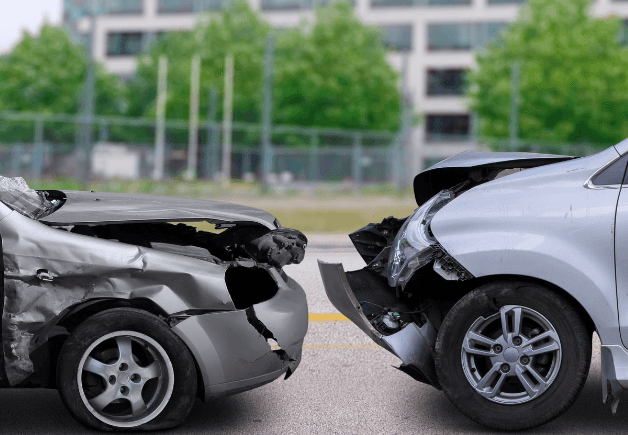
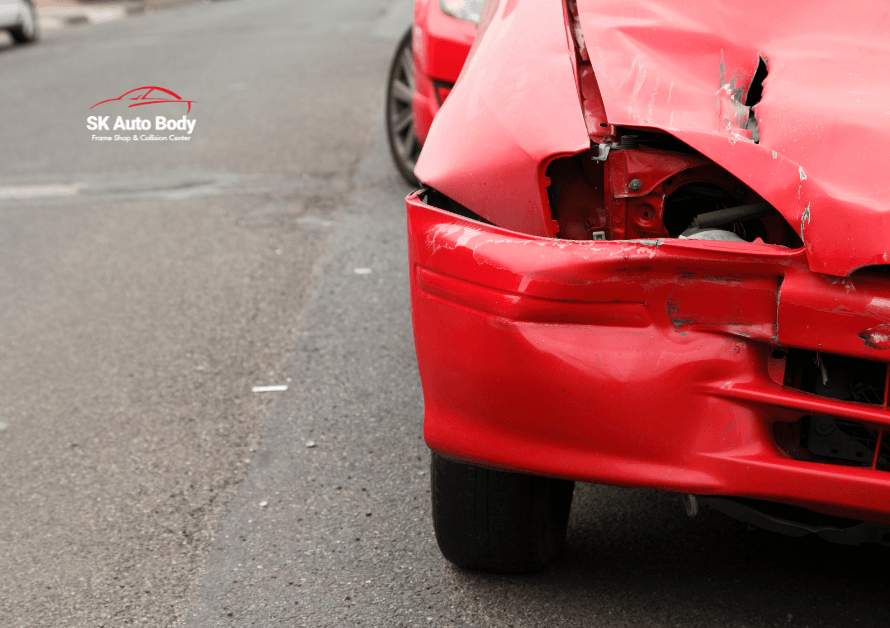
Bumper and dent damage generally falls into two categories: cosmetic and structural. Cosmetic damage affects only the surface, like a shallow dent or scuff with intact paint. Structural damage involves cracks, misalignment, or damage that affects the bumper’s mounting points or the sensors built into it.
Shallow dents from door dings, hail, or minor parking lot bumps usually don’t crack the paint and don’t affect how the panel functions. Bumper damage from a collision is different. Even a low-speed impact can crack plastic, push a bumper out of alignment, or damage the brackets and absorbers behind it.
On newer vehicles, a bumper often houses parking sensors or cameras, so a repair that looks fine visually can still leave a sensor out of calibration. That’s a detail a general fix might miss, but it’s central to whether your vehicle drives and detects the way it should.
Quick Facts: Bumper & Dent Repair
- Shallow, unpainted dents: Usually repairable with paintless dent repair (PDR), which doesn’t require filler or repainting.
- Cracked or deeply creased bumpers: Typically need traditional repair with filler, sanding, and paint matching.
- Bumpers with sensors or cameras: May require recalibration after repair or replacement, not just a visual fix.
- Insurance estimates: Massachusetts law requires any non-OEM replacement parts to be clearly identified on the written estimate.
- Timeline: PDR repairs are typically faster than repairs requiring paint and body filler, since there’s no paint cure time involved.
Paintless Dent Repair vs. Traditional Bumper Repair: What’s the Difference?
Paintless dent repair (PDR) uses specialized tools to gently massage a dent back into shape from behind the panel, without sanding, filler, or repainting. Traditional repair involves reshaping the panel, applying filler where needed, and repainting to match your vehicle’s factory color.
PDR works best on shallow dents where the paint hasn’t cracked or stretched, which is common with hail damage, door dings, and minor parking lot impacts. Because there’s no filler or paint involved, it’s often quicker and preserves more of the vehicle’s original factory finish. Professional dent repair technicians can usually tell within a quick inspection whether a dent is a good PDR candidate or not.
Traditional repair becomes necessary once paint is cracked, the panel is creased sharply, or the bumper itself is cracked or misaligned. This process takes longer since it involves body filler, sanding, primer, paint matching, and clear coat, plus cure time between steps.
If your bumper damage affects mounting points or built-in sensors, it can also tie into your vehicle’s broader structural integrity, which is worth having a technician check even if the visible damage looks minor.
What to Ask Before Choosing a Bumper or Dent Repair Shop in Tewksbury
Not every shop handles every type of damage the same way, so a few quick questions up front can save you time and money:
- Do you offer paintless dent repair, and will my dent qualify for it? Not all damage is a PDR candidate, and a shop that only offers traditional repair may quote you for more work than necessary.
- Will you match my exact paint color and clear coat? Ask how the shop verifies color match, especially for vehicles with metallic or pearl finishes.
- Do you check sensors and cameras after bumper repair or replacement? This matters most on newer vehicles with parking assist or collision-avoidance features.
- Do you work directly with my insurance company? A shop that handles claims directly can simplify the process significantly.
- What warranty do you offer on the repair? Reputable shops back their work with a written warranty.
If you’re weighing a bigger decision, like which shop to trust overall, our questions to ask before choosing a shop breaks down the broader picture beyond just bumper and dent work.
Why Tewksbury Drivers Choose SK Auto Body
Our technicians inspect every dent and bumper in person before recommending PDR or traditional repair, so you’re not paying for more work than the damage actually needs. We use a digital spectrophotometer to match your exact paint color and mix custom blends on-site rather than relying on premixed formulas.
If your bumper needs more than a repair, we also handle part replacement for cracked or misaligned components that can’t be safely restored. Drivers throughout Tewksbury count on our Methuen collision shop for straightforward answers and estimates that explain exactly what your vehicle needs.
Conclusion
Not every dent or bumper crack needs the same fix, and knowing the difference before you choose a shop can save you time, money, and a repeat visit. SK Auto Body helps Tewksbury drivers get the right repair the first time — request your free estimate today.
FAQs
How do I know if my dent qualifies for paintless dent repair?
Paintless dent repair works best on shallow dents where the paint hasn’t cracked, stretched, or chipped. A technician can usually confirm whether your dent qualifies with a quick visual and hands-on inspection.
Is a cracked bumper always a total replacement?
Not always. Many cracked bumpers can be repaired if the crack is small and the mounting points and sensors are undamaged. Larger cracks, deep structural damage, or damage near sensor housings often call for replacement instead.
Will my insurance cover bumper and dent repair?
Most comprehensive and collision insurance policies cover bumper and dent repair after an approved claim, though your deductible applies. Ask your shop whether they work directly with your insurance company to streamline the estimate and claim process.
Does bumper repair affect my car’s sensors or cameras?
It can. Many newer vehicles have parking sensors or cameras built into the bumper, and even a well-done cosmetic repair can leave them out of calibration. Ask your shop whether they check and recalibrate these systems after bumper work.